
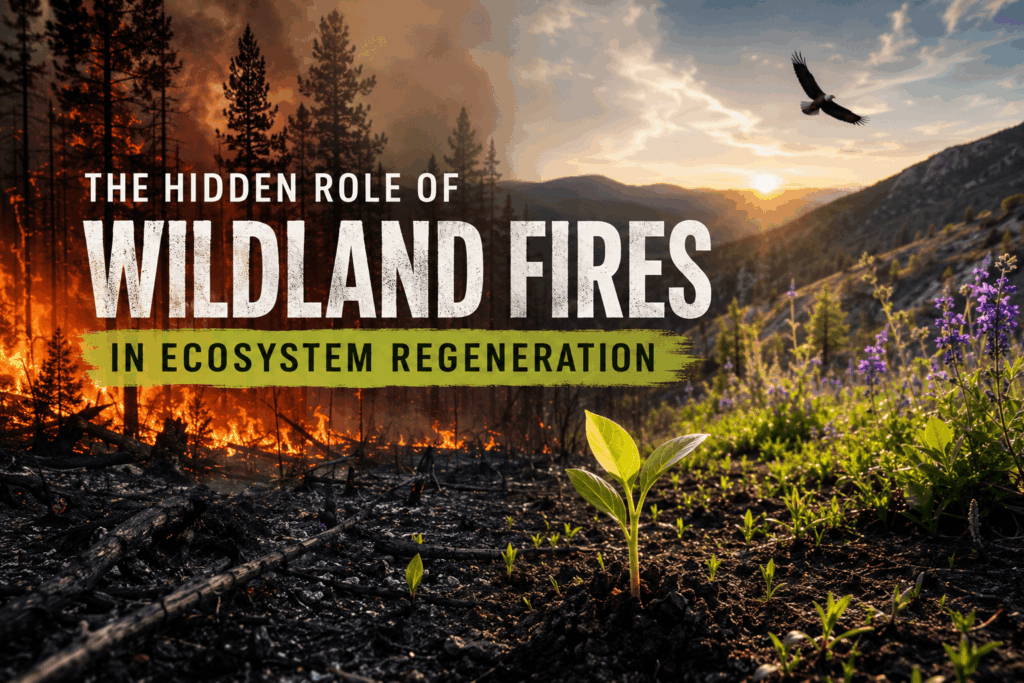

Wildland Fires, though often perceived as merely destructive, play a vital role in ecosystem regeneration, highlighting the complex and multifaceted nature of these events; however, their importance extends beyond destruction, as they have been shaping landscapes, influencing species diversity, and supporting ecological balance for thousands of years. Moreover, the historical presence of fires in many ecosystems has led to the evolution of fire-adapted environments, where periodic blazes are not only tolerated but also essential for the health and diversity of these areas. Therefore, it is crucial to delve into the natural process of wildfires and their impact on ecosystems to appreciate the delicate balance between destruction and regeneration.
The Ecological Importance of Fires
Additionally, understanding the role of fire in ecological regeneration can significantly alter our perception of these events, fostering a more nuanced approach to wildfire management and conservation. The presence of fires in many ecosystems has been a driving force behind the evolution of plant and animal species, with many developing unique adaptations to survive and thrive in these environments. Furthermore, these events have been instrumental in shaping the very landscape itself, with fire-scorched earth giving way to new growth and regeneration. Moreover, the periodic occurrence of fires has also played a crucial role in maintaining the health of forests, grasslands, and other ecosystems, by reducing the accumulation of dead vegetation and promoting the growth of new plants.
However, the impact of fires on ecosystems is not always immediately apparent, and it may take years or even decades for the full effects to become clear. Nevertheless, by studying the aftermath of wildfires, scientists have gained valuable insights into the complex and often surprising ways in which these events can shape the natural world. For example, research has shown that certain species of plants and animals are actually dependent on fires to survive, with some plants requiring the heat of a fire to germinate their seeds. Additionally, the presence of fires can also have a profound impact on the local microclimate, with the reduction of vegetation leading to changes in temperature and precipitation patterns.
Moreover, the role of fires in shaping the evolution of ecosystems is also closely tied to the concept of ecological resilience, or the ability of an ecosystem to withstand and recover from disturbances. In ecosystems where fires are a regular occurrence, the presence of these events can actually increase the resilience of the ecosystem, by promoting the growth of fire-resistant plants and animals. However, in ecosystems where fires are rare or absent, the introduction of fire can have devastating consequences, highlighting the need for careful management and conservation strategies. Therefore, it is essential to develop a deeper understanding of the complex relationships between fires, ecosystems, and the species that inhabit them.
The Impact of Human Activity on Wildland Fires
Additionally, human activity has also played a significant role in shaping the nature and frequency of wildfires, with the suppression of natural fires and the introduction of non-native species leading to a buildup of vegetation and an increased risk of catastrophic blazes. However, by adopting more sustainable land-use practices and allowing natural fires to occur, it may be possible to reduce the risk of devastating wildfires and promote the health and diversity of ecosystems. Furthermore, the use of prescribed burns and other management techniques can also help to reduce the accumulation of dead vegetation and promote the growth of fire-resistant plants. Moreover, the development of more effective wildfire management strategies will require a coordinated effort from policymakers, conservationists, and the general public, highlighting the need for increased awareness and education about the importance of wildfires in ecosystem regeneration.
Moreover, the impact of human activity on wildfires is not limited to the suppression of natural fires, but also extends to the introduction of non-native species and the alteration of ecosystem processes. For example, the introduction of invasive species can lead to a reduction in biodiversity and an increase in the risk of wildfires, while the alteration of ecosystem processes can disrupt the delicate balance between fire and regeneration. However, by adopting more sustainable land-use practices and promoting the conservation of native species, it may be possible to reduce the risk of wildfires and promote the health and diversity of ecosystems. Additionally, the development of more effective wildfire management strategies will require a greater understanding of the complex relationships between human activity, wildfires, and ecosystem regeneration.
Case Studies and Examples
A closer examination of specific ecosystems and the role of fires within them can provide valuable insights into the complex relationships between wildfires, ecosystems, and human activity. For example, the Yellowstone National Park in the United States has a long history of wildfires, with the park’s unique geology and ecosystem supporting a diverse range of plant and animal species. However, the suppression of natural fires in the park during the 20th century led to a buildup of vegetation and an increased risk of catastrophic blazes, highlighting the need for more sustainable land-use practices and wildfire management strategies. Moreover, the use of prescribed burns and other management techniques in the park has helped to reduce the risk of wildfires and promote the health and diversity of the ecosystem, demonstrating the importance of adopting a more nuanced approach to wildfire management and conservation.
Conclusion and Call to Action
In conclusion, the role of Wildland Fires in ecosystem regeneration is complex and multifaceted, and their importance extends far beyond their destructive power. Moreover, by adopting a more nuanced approach to wildfire management and conservation, it may be possible to reduce the risk of devastating blazes and promote the health and diversity of ecosystems. Therefore, it is essential that policymakers, conservationists, and the general public work together to develop a greater understanding of the complex relationships between wildfires, ecosystems, and human activity, and to adopt more sustainable land-use practices that prioritize the conservation of native species and the promotion of ecological resilience. Additionally, by supporting further research and education on the topic of wildfires and ecosystem regeneration, we can work towards a future where the importance of these events is fully appreciated and their impact is mitigated. So, let us take action today and work towards a better understanding of the hidden role of Wildland Fires in shaping our planet’s ecosystems, and promote a more sustainable and resilient relationship between humans and the natural world.
0 Comment
Leave a comment
You must be logged in to post a comment.