
I Escaped The California Camp Fire
Butte County 2018 Paperback – June 23, 2019
by Scott Peters (Author), S D Brown (Author)
14-year-old Troy is being chased by a wildfire—with his kid sister, his dog, and his cat in tow. Can Troy get them all to safety?
The parent-approved survival series that celebrates the awesome history of us.
"Readers will blaze through the pages at Troy's side!"
Short attention spans | Chapter Book | Ages 8-12 | B&W Illustrations 14-year-old Troy is thrilled to be left in charge when his parents go away overnight. But when he wakes to see a monstrous wildfire racing toward his home, he’s in complete shock. Paradise, California is on fire! Worse, cell reception is down and he can't call his mom and dad to find out what to do. With a kid sister, a dog, and a cat to protect, he knows he has to act. How can he get them all to safety? Troy is no super-hero. He’s a kid who loves pizza, movies, and hanging out with his friends. He’s way out of his element. It's clear they'll never outrun the fire on foot. He starts brainstorming an escape plan. There's only one option open. Will it work? Can this brave boy save the day? This is the 2nd I Escaped adventure in the children's series about brave boys and girls who face real-world challenges and find ways to escape disaster. Follow these inspiring kids while they brainstorm, help others, and hone their problem-solving skills. The short chapters make for easy wins, and Troy's gripping situation keeps even reluctant readers turning pages just to find out what's going to happen next. Based on eyewitness accounts and extensive research, this inspirational story is exceptionally vivid, swift-paced and stirring. The November 2018 Butte County disaster was California's biggest forest fire and has become a defining moment in American disaster history. Includes a fact section at the back with wildfire information, fire safety tips, and much more. Great for kids book clubs and classrooms! A study guide is available at https://scottpetersbooks.com/downloads/worksheetsButte County 2018 Paperback – June 23, 2019
by Scott Peters (Author), S D Brown (Author)
14-year-old Troy is being chased by a wildfire—with his kid sister, his dog, and his cat in tow. Can Troy get them all to safety?
The parent-approved survival series that celebrates the awesome history of us.
"Readers will blaze through the pages at Troy's side!"
Short attention spans | Chapter Book | Ages 8-12 | B&W Illustrations 14-year-old Troy is thrilled to be left in charge when his parents go away overnight. But when he wakes to see a monstrous wildfire racing toward his home, he’s in complete shock. Paradise, California is on fire! Worse, cell reception is down and he can't call his mom and dad to find out what to do. With a kid sister, a dog, and a cat to protect, he knows he has to act. How can he get them all to safety? Troy is no super-hero. He’s a kid who loves pizza, movies, and hanging out with his friends. He’s way out of his element. It's clear they'll never outrun the fire on foot. He starts brainstorming an escape plan. There's only one option open. Will it work? Can this brave boy save the day? This is the 2nd I Escaped adventure in the children's series about brave boys and girls who face real-world challenges and find ways to escape disaster. Follow these inspiring kids while they brainstorm, help others, and hone their problem-solving skills. The short chapters make for easy wins, and Troy's gripping situation keeps even reluctant readers turning pages just to find out what's going to happen next. Based on eyewitness accounts and extensive research, this inspirational story is exceptionally vivid, swift-paced and stirring. The November 2018 Butte County disaster was California's biggest forest fire and has become a defining moment in American disaster history. Includes a fact section at the back with wildfire information, fire safety tips, and much more. Great for kids book clubs and classrooms! A study guide is available at https://scottpetersbooks.com/downloads/worksheets
I survived the California wildfires 2018
Paperback – Illustrated, September 1, 2020
by Lauren Tarshis (Author)
California continues to be ravaged by devastating wildfires. Lauren Tarshis's heart pounding story tells of two children who battle the terrifying flames and -- despite the destruction -- find hope in the ashes. The people of Northern California were used to living with the threat of wildfires. But nothing could have prepared them for the devastating 2018 fire season, the deadliest in 100 years and the most destructive in history.In the 20th I Survived book, readers join eleven-year-old Josh as he leaves his New Jersey home for the rural northern California town where his cousins live. Still reeling from the life-changing challenges that propelled him and his mother across the country, Josh struggles to adapt to a more rustic, down-to-earth lifestyle that couldn't be more different from the one he is used to.Josh and his cousin bond over tacos and reptiles and jokes, but on a trip into the nearby forest, they suddenly find themselves in the path of a fast-moving firestorm, a super-heated monster that will soon lay waste to millions of acres of wilderness and -- possibly -- their town. Josh needs to confront the family issues burning him up inside, but first he'll have to survive the flames blazing all around him.Paperback – Illustrated, September 1, 2020
by Lauren Tarshis (Author)
California continues to be ravaged by devastating wildfires. Lauren Tarshis's heart pounding story tells of two children who battle the terrifying flames and -- despite the destruction -- find hope in the ashes. The people of Northern California were used to living with the threat of wildfires. But nothing could have prepared them for the devastating 2018 fire season, the deadliest in 100 years and the most destructive in history.In the 20th I Survived book, readers join eleven-year-old Josh as he leaves his New Jersey home for the rural northern California town where his cousins live. Still reeling from the life-changing challenges that propelled him and his mother across the country, Josh struggles to adapt to a more rustic, down-to-earth lifestyle that couldn't be more different from the one he is used to.Josh and his cousin bond over tacos and reptiles and jokes, but on a trip into the nearby forest, they suddenly find themselves in the path of a fast-moving firestorm, a super-heated monster that will soon lay waste to millions of acres of wilderness and -- possibly -- their town. Josh needs to confront the family issues burning him up inside, but first he'll have to survive the flames blazing all around him.
I'll Never Fight Fire with My Bare Hands Again
Hardcover – October 1, 1994
by Hal K. Rothman (Editor)
"Got the fire under control. My knees have scabbed over and feel pretty good today, but my hands are in a hell of a shape. Damned if I'll ever fight fire with my bare hands again."
Typical of turn-of-the-century forest rangers in the Inland Northwest--northern Idaho, western Montana, and eastern Washington--this diarist faced fire and other tribulations far from civilization, often alone on foot or horseback, with little equipment and no means of communication. In this engaging collection, Hal Rothman has selected and provided context for the best and most informative letters written by early foresters. Highly literate and perceptive, the writers illuminate how they were forced to balance the agency's regulatory impulses with the needs of rural communities that depended upon forests for their livelihood. They reveal much about the challenges they met--autonomous decision-making; fire fighting and prevention; opposition and pressure from local residents; occasional corruption or incompetence; and changing technology and agency expectations. Family life, isolation, and loneliness, they show, could also be challenging. "It got so lonely my dog couldn't stand it," wrote Edward G. Stahl. "He went down to the Kootenai River and howled 'til the ferryman from Gateway came over and took him across to town." Facing bitter cold and heavy snow in the winter and often flames in the summer (1,700 fires in 1910 alone blackened millions of acres and killed 80 fire fighters) foresters managed to persevere with limited resources, Rothman shows. They surveyed land, enforced regulations, evaluated homestead claims, inventoried resources, organized timber sales, let grazing permits, built infrastructure, and handled many unusual situations that came their way. O. O. Lansdale became judge, jury, and undertaker upon finding two dead men on the trail. "It was up to me, acting as coroner, to hold an inquest and bury them. Being all alone, the inquest was easy--just a case of dispensation of Providence. The burial was not so easy. Digging two graves with a piece of cedar board; then, with a rope around their feet, dragging them to their graves with the rope around the saddle horse." As the century progressed and technology advanced, the writers show, the Forest Service evolved. Locals, who constituted the early organization, were gradually replaced by college-trained foresters, and tourism became more prevalent as primitive conditions were overcome. "My first realization of this change came one day when I was walking along the road toward the nursery," wrote David Olson. "A large black sedan drew up from behind and stopped. A liveried chauffeur asked if I wanted a ride. Looking into the car, I saw two elderly ladies sitting in rocking chairs. They smiled and one of them said they were seeing the wild West." This book is part of the Development of Western Resources series.Hardcover – October 1, 1994
by Hal K. Rothman (Editor)
"Got the fire under control. My knees have scabbed over and feel pretty good today, but my hands are in a hell of a shape. Damned if I'll ever fight fire with my bare hands again."
Typical of turn-of-the-century forest rangers in the Inland Northwest--northern Idaho, western Montana, and eastern Washington--this diarist faced fire and other tribulations far from civilization, often alone on foot or horseback, with little equipment and no means of communication. In this engaging collection, Hal Rothman has selected and provided context for the best and most informative letters written by early foresters. Highly literate and perceptive, the writers illuminate how they were forced to balance the agency's regulatory impulses with the needs of rural communities that depended upon forests for their livelihood. They reveal much about the challenges they met--autonomous decision-making; fire fighting and prevention; opposition and pressure from local residents; occasional corruption or incompetence; and changing technology and agency expectations. Family life, isolation, and loneliness, they show, could also be challenging. "It got so lonely my dog couldn't stand it," wrote Edward G. Stahl. "He went down to the Kootenai River and howled 'til the ferryman from Gateway came over and took him across to town." Facing bitter cold and heavy snow in the winter and often flames in the summer (1,700 fires in 1910 alone blackened millions of acres and killed 80 fire fighters) foresters managed to persevere with limited resources, Rothman shows. They surveyed land, enforced regulations, evaluated homestead claims, inventoried resources, organized timber sales, let grazing permits, built infrastructure, and handled many unusual situations that came their way. O. O. Lansdale became judge, jury, and undertaker upon finding two dead men on the trail. "It was up to me, acting as coroner, to hold an inquest and bury them. Being all alone, the inquest was easy--just a case of dispensation of Providence. The burial was not so easy. Digging two graves with a piece of cedar board; then, with a rope around their feet, dragging them to their graves with the rope around the saddle horse." As the century progressed and technology advanced, the writers show, the Forest Service evolved. Locals, who constituted the early organization, were gradually replaced by college-trained foresters, and tourism became more prevalent as primitive conditions were overcome. "My first realization of this change came one day when I was walking along the road toward the nursery," wrote David Olson. "A large black sedan drew up from behind and stopped. A liveried chauffeur asked if I wanted a ride. Looking into the car, I saw two elderly ladies sitting in rocking chairs. They smiled and one of them said they were seeing the wild West." This book is part of the Development of Western Resources series.
Ignition Stories: Indigenous Fire Ecology in the Indo-Australian Monsoon Zone by Cynthia Fowler
(2013-02-28) Paperback – January 1, 1776
by Cynthia Fowler (Author)
(2013-02-28) Paperback – January 1, 1776
by Cynthia Fowler (Author)

Ikhana: Unmanned Aircraft System Western States Fire Missions
(The NASA History Series) Paperback – November 3, 2013
In 2006, NASA Dryden Flight Research Center, Edwards, Calif., obtained a civil version of the General Atomics MQ-9 unmanned aircraft system and modified it for research purposes. Proposed missions included support of Earth science research, development of advanced aeronautical technology, and improving the utility of unmanned aerial systems in general. The project team named the aircraft Ikhana – a Native American Choctaw word meaning intelligent, conscious, or aware – in order to best represent NASA research goals. Researchers at Dryden have a long history of using remotely piloted research vehicles to expand the frontiers of knowledge. Among the first was the Hyper III, a Langley-designed lifting body. In 1975 a series of stall and spin tests was begun at the center with a group of 3/8-scale F-15 RPRVs. Flights of another aircraft, dubbed the “Mini-Sniffer,” took place between 1975 and 1979, testing the concepts of an RPRV operating in the Martian atmosphere or conducting high-altitude atmospheric research around the globe. The DAST – Drones For Aerodynamic and Structural Testing – program, a high-risk flight experiment using a ground-controlled, pilotless aircraft, was undertaken at Dryden from 1977 to 1983. Described by NASA engineers as a “wind tunnel in the sky,” the DAST vehicle was a specially modified Teledyne-Ryan BQM-34E/F Firebee II supersonic target drone. From 1979 to 1983 the HiMAT (Highly Maneuverable Aircraft Technology) aircraft was flown, one of two subscale research vehicles meant to demonstrate advanced fighter technologies that have since been used in development of many modern high-performance military aircraft. In 1984 Dryden moved from small-scale vehicles to full-size aircraft when a pilot intentionally crashed a retired Boeing jetliner onto Rogers Dry Lake to test a compound meant to reduce post-crash fires on airliners. And Dryden was the center for operations of a family of solar-powered aircraft designed to explore the potential for such aircraft to monitor Earth’s atmosphere as well as such other factors as moisture content in soil. Beginning in the 1990s, Pathfinder, Pathfinder-Plus, and Helios were all part of the Environmental Research Aircraft and Technology, or ERAST, program through which researchers hoped to mature RPRV and unmanned aerial system technologies. Building on experience with these and other unmanned aircraft, NASA scientists developed plans to use the Ikhana for a series of missions to map wildfires in the western United States and supply the resulting data to firefighters in near-real time. A team at NASA Ames Research Center, Mountain View, Calif., developed a multispectral scanner that was key to the success of what became known as the Western States Fire Missions. Carried out by team members from NASA, the U.S. Department of Agriculture Forest Service, National Interagency Fire Center, National Oceanic and Atmospheric Administration, Federal Aviation Administration, and General Atomics Aeronautical Systems Inc., these flights represented an historic achievement in the field of unmanned aircraft technology.(The NASA History Series) Paperback – November 3, 2013
In 2006, NASA Dryden Flight Research Center, Edwards, Calif., obtained a civil version of the General Atomics MQ-9 unmanned aircraft system and modified it for research purposes. Proposed missions included support of Earth science research, development of advanced aeronautical technology, and improving the utility of unmanned aerial systems in general. The project team named the aircraft Ikhana – a Native American Choctaw word meaning intelligent, conscious, or aware – in order to best represent NASA research goals. Researchers at Dryden have a long history of using remotely piloted research vehicles to expand the frontiers of knowledge. Among the first was the Hyper III, a Langley-designed lifting body. In 1975 a series of stall and spin tests was begun at the center with a group of 3/8-scale F-15 RPRVs. Flights of another aircraft, dubbed the “Mini-Sniffer,” took place between 1975 and 1979, testing the concepts of an RPRV operating in the Martian atmosphere or conducting high-altitude atmospheric research around the globe. The DAST – Drones For Aerodynamic and Structural Testing – program, a high-risk flight experiment using a ground-controlled, pilotless aircraft, was undertaken at Dryden from 1977 to 1983. Described by NASA engineers as a “wind tunnel in the sky,” the DAST vehicle was a specially modified Teledyne-Ryan BQM-34E/F Firebee II supersonic target drone. From 1979 to 1983 the HiMAT (Highly Maneuverable Aircraft Technology) aircraft was flown, one of two subscale research vehicles meant to demonstrate advanced fighter technologies that have since been used in development of many modern high-performance military aircraft. In 1984 Dryden moved from small-scale vehicles to full-size aircraft when a pilot intentionally crashed a retired Boeing jetliner onto Rogers Dry Lake to test a compound meant to reduce post-crash fires on airliners. And Dryden was the center for operations of a family of solar-powered aircraft designed to explore the potential for such aircraft to monitor Earth’s atmosphere as well as such other factors as moisture content in soil. Beginning in the 1990s, Pathfinder, Pathfinder-Plus, and Helios were all part of the Environmental Research Aircraft and Technology, or ERAST, program through which researchers hoped to mature RPRV and unmanned aerial system technologies. Building on experience with these and other unmanned aircraft, NASA scientists developed plans to use the Ikhana for a series of missions to map wildfires in the western United States and supply the resulting data to firefighters in near-real time. A team at NASA Ames Research Center, Mountain View, Calif., developed a multispectral scanner that was key to the success of what became known as the Western States Fire Missions. Carried out by team members from NASA, the U.S. Department of Agriculture Forest Service, National Interagency Fire Center, National Oceanic and Atmospheric Administration, Federal Aviation Administration, and General Atomics Aeronautical Systems Inc., these flights represented an historic achievement in the field of unmanned aircraft technology.
Impact of Climate Change on Natural Resource Management
2010th Edition
by Bipal Kr. Jana (Editor), Mrinmoy Majumder (Editor)
2010th Edition
by Bipal Kr. Jana (Editor), Mrinmoy Majumder (Editor)
In The Shadow of The Trees
Hardcover – January 1, 1997
by MICHAEL SCHULTZ (Author)
Inscribed and signed by the author. Minimal wear.
Hardcover – January 1, 1997
by MICHAEL SCHULTZ (Author)
Inscribed and signed by the author. Minimal wear.
In-Situ Burning for Oil Spill Countermeasures
1st Edition
by Merv Fingas(Author)
1st Edition
by Merv Fingas(Author)

Incendios Florestais em Portugal: Caracterizacao, Impactes e Prevencao
Paperback – January 1, 2006
Portuguese Edition by Joao M. Neves Silva e Tiago Pereira da Silva Joao Santos Pereira, Jose M. Cardoso Pereira, Franisco Castro Rego(Editor)
Paperback – January 1, 2006
Portuguese Edition by Joao M. Neves Silva e Tiago Pereira da Silva Joao Santos Pereira, Jose M. Cardoso Pereira, Franisco Castro Rego(Editor)

Incendios Forestales (Spanish Edition)
Paperback – January 1, 2004
Spanish Edition by M. a. Porrero Rodriguez(Author)
Paperback – January 1, 2004
Spanish Edition by M. a. Porrero Rodriguez(Author)
Incendios forestales y su impacto: Desde la prevención a la restauración (Spanish Edition)
Paperback – March 6, 2014
Spanish Edition by Iris Gómez Ramudo(Author)
Según datos del MAGRAMA (Ministerio de Agricultura, Alimentación y Medio Ambiente), en el último año se han quemado más de 53.286 hectáreas de bosque en España en más de 2.495 incendios, 16 de ellos incluidos en los considerados como Grandes Incendios Forestales. El año 2012, con 189.321 hectáreas arrasadas por el fuego, es considerado uno de los peores de los últimos 20 años. Los incendios forestales se han convertido en un importante problema ambiental, tanto en nuestro país como a nivel mundial. En el presente proyecto, a modo de revisión, se exponen sus principales factores, causas y efectos, así como una serie de acciones que se deben llevar a cabo en las tareas de prevención y detección, durante la propagación y en la extinción de incendios, sin olvidarnos de la restauración de las superficies afectadas.
Paperback – March 6, 2014
Spanish Edition by Iris Gómez Ramudo(Author)
Según datos del MAGRAMA (Ministerio de Agricultura, Alimentación y Medio Ambiente), en el último año se han quemado más de 53.286 hectáreas de bosque en España en más de 2.495 incendios, 16 de ellos incluidos en los considerados como Grandes Incendios Forestales. El año 2012, con 189.321 hectáreas arrasadas por el fuego, es considerado uno de los peores de los últimos 20 años. Los incendios forestales se han convertido en un importante problema ambiental, tanto en nuestro país como a nivel mundial. En el presente proyecto, a modo de revisión, se exponen sus principales factores, causas y efectos, así como una serie de acciones que se deben llevar a cabo en las tareas de prevención y detección, durante la propagación y en la extinción de incendios, sin olvidarnos de la restauración de las superficies afectadas.
Incendios forestales: definiendo el problema, ecología y manejo, participación social, fortalecimiento de capacidades, e (Spanish Edition)
Inferno (CURRENT-The Series)
Paperback – January 10, 2019
by Rian Harper (Author)
After the events of CURRENT, Emma has to find a way to cope with all of the changes in her life. When Nate disappears, Jasmine and Everett rally behind her to help find him. Their mission, however, changes when The Commission comes knocking on their door, also in search of Nate, but for different reasons. Everything turns upside-down when shocking revelations come to light and her trust is betrayed. Emma begins to lose her identity and struggles to find herself again as she deals with deceit and heartache all while trying to stay alive and find the man that she loves.
Paperback – January 10, 2019
by Rian Harper (Author)
After the events of CURRENT, Emma has to find a way to cope with all of the changes in her life. When Nate disappears, Jasmine and Everett rally behind her to help find him. Their mission, however, changes when The Commission comes knocking on their door, also in search of Nate, but for different reasons. Everything turns upside-down when shocking revelations come to light and her trust is betrayed. Emma begins to lose her identity and struggles to find herself again as she deals with deceit and heartache all while trying to stay alive and find the man that she loves.
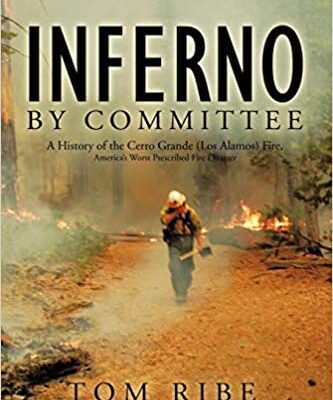
Inferno by Committee: A History of the Cerro Grande (Los Alamos) Fire, America's Worst Prescribed Fire Disaster
Paperback – May 10, 2010
Paperback – May 10, 2010
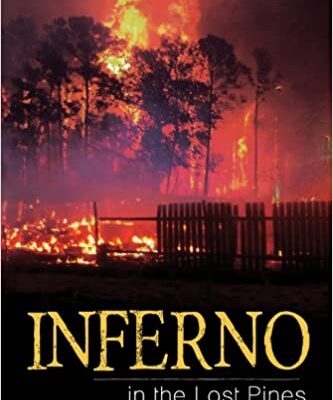
Inferno in the Lost Pines
Paperback – October 15, 2013
by Katrina Hoover (Author)
Deputies ran from house to house, shouting to the people. Y'all need to evacuate! One yelled to a child. Where's your mom and dad? The child pointed. The deputy looked that direction and they ran off together, the child and the deputy, suddenly united by the adrenaline of escape. Down the road there were hurried fists on front doors. No polite pauses between knocks-these were desperate pounding crashes on top of each other. Exclamation marks punctuated every spoken word. Hearts lurched as people recognized the biting smell of smoke. Stunned at the orders to evacuate, residents of Bastrop, Texas, left their homes full of irreplaceable memorabilia and fled to safety. They had little time to gather even the most essential possessions. Inferno in the Lost Pines is filled with stories of people who had to make fast decisions when chased by a forest fire, and thoughtful decisions when moving into an unexpected future. Would they be able to find any shreds of grace and redemption in their smoldering circumstances?
Paperback – October 15, 2013
by Katrina Hoover (Author)
Deputies ran from house to house, shouting to the people. Y'all need to evacuate! One yelled to a child. Where's your mom and dad? The child pointed. The deputy looked that direction and they ran off together, the child and the deputy, suddenly united by the adrenaline of escape. Down the road there were hurried fists on front doors. No polite pauses between knocks-these were desperate pounding crashes on top of each other. Exclamation marks punctuated every spoken word. Hearts lurched as people recognized the biting smell of smoke. Stunned at the orders to evacuate, residents of Bastrop, Texas, left their homes full of irreplaceable memorabilia and fled to safety. They had little time to gather even the most essential possessions. Inferno in the Lost Pines is filled with stories of people who had to make fast decisions when chased by a forest fire, and thoughtful decisions when moving into an unexpected future. Would they be able to find any shreds of grace and redemption in their smoldering circumstances?
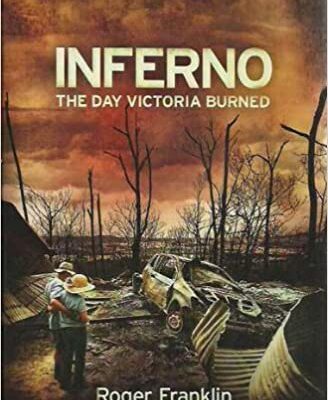
Inferno: The Day Victoria Burned
Hardcover – January 1, 2009
Hardcover – January 1, 2009
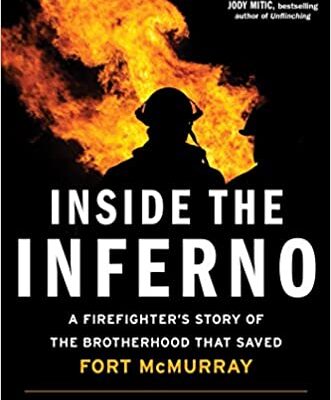
Inside the Inferno: A Firefighter's Story of the Brotherhood that Saved Fort McMurray
Hardcover – May 2, 2017
by Damian Asher (Author), Omar Mouallem
An action-packed, on-the-ground memoir of the Fort McMurray wildfire and the courage, resilience, and sacrifice of the firefighters who saved the city. In May 2016, what began as a remote forest fire quickly became a nightmare for the ninety thousand residents of Fort McMurray. A perfect combination of weather, geography and circumstance created a raging wildfire that devoured everything in its path. Winds drove the flames towards the town, forcing the entire population to evacuate. As the fire swept through neighbourhoods, it fell to the men and women of the fire department to protect the city. Born and raised in Fort McMurray, Damian Asher was a fifteen-year veteran and captain in the city’s fire department. Day after day, Damian and his crew remained on the front lines of the burning city. As embers rained down around them, they barely slept, pushing their minds and bodies to the brink as they struggled to contain the fire. As he led his crew through the smoke and the flames, Damian had little time to worry about whether the house he had built for his family was still standing. With media unable to get into the locked-down city, the world watched in hope and fear, wondering what was happening on the fiery streets. Finally, after weeks of battling the wildfire, the firefighters managed to regain control. When the smoke cleared, much of the city had been destroyed. Would things ever be the same? How would the city reunite? What would it take to rebuild life in Fort McMurray?Hardcover – May 2, 2017
by Damian Asher (Author), Omar Mouallem
An action-packed, on-the-ground memoir of the Fort McMurray wildfire and the courage, resilience, and sacrifice of the firefighters who saved the city. In May 2016, what began as a remote forest fire quickly became a nightmare for the ninety thousand residents of Fort McMurray. A perfect combination of weather, geography and circumstance created a raging wildfire that devoured everything in its path. Winds drove the flames towards the town, forcing the entire population to evacuate. As the fire swept through neighbourhoods, it fell to the men and women of the fire department to protect the city. Born and raised in Fort McMurray, Damian Asher was a fifteen-year veteran and captain in the city’s fire department. Day after day, Damian and his crew remained on the front lines of the burning city. As embers rained down around them, they barely slept, pushing their minds and bodies to the brink as they struggled to contain the fire. As he led his crew through the smoke and the flames, Damian had little time to worry about whether the house he had built for his family was still standing. With media unable to get into the locked-down city, the world watched in hope and fear, wondering what was happening on the fiery streets. Finally, after weeks of battling the wildfire, the firefighters managed to regain control. When the smoke cleared, much of the city had been destroyed. Would things ever be the same? How would the city reunite? What would it take to rebuild life in Fort McMurray?
Interagency Airtanker Base Operations Guide
Paperback – October 12, 2013
by National Wildfire Coordinating Group (Author)
The objectives of this guide are to: Define and standardize national interagency operating procedures at large airtanker bases to ensure safe and efficient operations; Support fire policy through interagency coordination; Facilitate the exchange of personnel from all wildland fire suppression agencies during periods of high fire activity through standardization; Provide a common, interagency approach in the State, Federal, and Tribal Government’s contract related responsibilities; Provide common forms, checklists, orientations outlines, and special instructions for both contractor employees (retardant supplier personnel, pilots, mechanics) and government employees at airtanker bases; Provide a framework, which allows each airtanker base to provide a local base supplement with site specific guidance.
Paperback – October 12, 2013
by National Wildfire Coordinating Group (Author)
The objectives of this guide are to: Define and standardize national interagency operating procedures at large airtanker bases to ensure safe and efficient operations; Support fire policy through interagency coordination; Facilitate the exchange of personnel from all wildland fire suppression agencies during periods of high fire activity through standardization; Provide a common, interagency approach in the State, Federal, and Tribal Government’s contract related responsibilities; Provide common forms, checklists, orientations outlines, and special instructions for both contractor employees (retardant supplier personnel, pilots, mechanics) and government employees at airtanker bases; Provide a framework, which allows each airtanker base to provide a local base supplement with site specific guidance.

International Bibliography of Wildland Fire
Into the Fire: Disaster and the Remaking of Gender
Hardcover – May 21, 2013
by Shelley Pacholok(Author)
Hardcover – May 21, 2013
by Shelley Pacholok(Author)

Into the Fire: The Fight to Save Fort McMurray
Hardcover – April 25, 2017
by Jerron Hawley (Author), Graham Hurley (Author), Steve Sackett (Author)
The dramatic story of one of the biggest natural disasters in Canadian history, the Fort McMurray wildfire of 2016, told by three of the firefighters who fought to save the city. On May 1, 2016, a wildfire burning to the southwest of Fort McMurray, Alberta, led to the declaration of a local state of emergency. Two days later, the fire had reached Fort McMurray, forcing the evacuation of 88,000 citizens and destroying 2,400 buildings. In total, the fire would consume more than 500,000 hectares. Into the Fire is a remarkable first-hand account of fighting a major wildfire as it moved with terrifying speed. Over the course of six days, firefighters Jerron Hawley, Graham Hurley, and Steve Sackett of the Fort McMurray Fire Department joined local expert wildfire teams and fire departments from across the country to battle the blaze. In photographs and notes made at the time, they vividly describe what they witnessed; their own personal losses and triumphs; and the fire's devastating effects. With more than 90 stunning colour photographs, Into the Fire is a dramatic eyewitness account of one of the most catastrophic disasters in recent North American history. Intimate in its telling, it is above all a testament to the courage, pride, and extraordinary efforts of the citizens of Fort McMurray, who along with emergency personnel, came together to save their city.
Hardcover – April 25, 2017
by Jerron Hawley (Author), Graham Hurley (Author), Steve Sackett (Author)
The dramatic story of one of the biggest natural disasters in Canadian history, the Fort McMurray wildfire of 2016, told by three of the firefighters who fought to save the city. On May 1, 2016, a wildfire burning to the southwest of Fort McMurray, Alberta, led to the declaration of a local state of emergency. Two days later, the fire had reached Fort McMurray, forcing the evacuation of 88,000 citizens and destroying 2,400 buildings. In total, the fire would consume more than 500,000 hectares. Into the Fire is a remarkable first-hand account of fighting a major wildfire as it moved with terrifying speed. Over the course of six days, firefighters Jerron Hawley, Graham Hurley, and Steve Sackett of the Fort McMurray Fire Department joined local expert wildfire teams and fire departments from across the country to battle the blaze. In photographs and notes made at the time, they vividly describe what they witnessed; their own personal losses and triumphs; and the fire's devastating effects. With more than 90 stunning colour photographs, Into the Fire is a dramatic eyewitness account of one of the most catastrophic disasters in recent North American history. Intimate in its telling, it is above all a testament to the courage, pride, and extraordinary efforts of the citizens of Fort McMurray, who along with emergency personnel, came together to save their city.
Introduction to Fire in California (Volume 95) (California Natural History Guides)
Paperback – August 4, 2008
by David Carle(Author)
What is fire? How are wildfires ignited? How do California's weather and topography influence fire? How did the California Indians use fire? In the spirit of his highly acclaimed Introduction to Air in California and Introduction to Water in California, David Carle now turns to another fundamental element of the natural world, giving a fascinating and concise view of this complex topic. His clearly written, dramatically illustrated book will help Californians, including the millions who live near naturally flammable wildlands, better understand their own place in the state's landscape. Carle covers the basics of fire ecology; looks at the effects of fire on wildlife, soil, water, and air; discusses firefighting organizations and land management agencies; explains current policies; and explores many other topics.
Paperback – August 4, 2008
by David Carle(Author)
What is fire? How are wildfires ignited? How do California's weather and topography influence fire? How did the California Indians use fire? In the spirit of his highly acclaimed Introduction to Air in California and Introduction to Water in California, David Carle now turns to another fundamental element of the natural world, giving a fascinating and concise view of this complex topic. His clearly written, dramatically illustrated book will help Californians, including the millions who live near naturally flammable wildlands, better understand their own place in the state's landscape. Carle covers the basics of fire ecology; looks at the effects of fire on wildlife, soil, water, and air; discusses firefighting organizations and land management agencies; explains current policies; and explores many other topics.

Introduction to Fire in California: Second Edition (California Natural History Guides)

Introduction To Fire Prevention
Hardcover –
October 30, 2004
by James C. Robertson (Author) The prevention of unwanted fires has long been considered the responsibility of the modern-day fire department, however other agencies and organizations play a vital part in educating the public about fire prevention. From the responsibilities of the fire department to the role of the private and public sectors, this best-selling text presents a broad-based look at fire prevention including arson suppression, fire safety education, and code enforcement. The sixth edition has been updated to cover current concepts in all aspects of fire prevention and features lessons learned from recent fire tragedies.Hardcover –
October 30, 2004
by James C. Robertson (Author) The prevention of unwanted fires has long been considered the responsibility of the modern-day fire department, however other agencies and organizations play a vital part in educating the public about fire prevention. From the responsibilities of the fire department to the role of the private and public sectors, this best-selling text presents a broad-based look at fire prevention including arson suppression, fire safety education, and code enforcement. The sixth edition has been updated to cover current concepts in all aspects of fire prevention and features lessons learned from recent fire tragedies.
Introduction to Forestry (MCGRAW HILL SERIES IN FOREST RESOURCES)
Subsequent Edition
by Grant William Sharpe(Author)
Subsequent Edition
by Grant William Sharpe(Author)

Introduction to Forestry Science, Soft Cover
3rd Edition
by L. Devere Burton(Author)
Practical, easy to understand, and up-to-date, INTRODUCTION TO FORESTRY SCIENCE, Third Edition provides readers with a comprehensive overview of the principles and practices of forest management that are commonly practiced in the United States. Appropriate for anyone interested in forestry or natural resources, this book is filled with visual aids and tools as well as career profiles which give readers an overview of what it might be like to work in the forest industry and demonstrate how concepts are applied in the real world. In addition to covering the basics of the biological processes necessary for the creation of forests, topics such as the economic impact of forests on the U.S. economy, government historical events and policies, regional differences in forests and forest management, and laws and regulations that govern the use of forests are presented.
3rd Edition
by L. Devere Burton(Author)
Practical, easy to understand, and up-to-date, INTRODUCTION TO FORESTRY SCIENCE, Third Edition provides readers with a comprehensive overview of the principles and practices of forest management that are commonly practiced in the United States. Appropriate for anyone interested in forestry or natural resources, this book is filled with visual aids and tools as well as career profiles which give readers an overview of what it might be like to work in the forest industry and demonstrate how concepts are applied in the real world. In addition to covering the basics of the biological processes necessary for the creation of forests, topics such as the economic impact of forests on the U.S. economy, government historical events and policies, regional differences in forests and forest management, and laws and regulations that govern the use of forests are presented.

Introduction to Heat Transfer
Introduction to Heat Transfer
by Theodore L. Bergman (Author), Adrienne S. Lavine (Author), Frank P. Incropera (Author), David P. DeWitt (Author) Introduction to Heat Transfer, 6 Edition is the gold standard of heat transfer pedagogy for more than 30 years. With examples and problems that reveal the richness and beauty of this discipline, this text teaches students how to become efficient problem-solvers through the use of the rigorous and systematic problem-solving methodology pioneered by the authors. Fundamental concepts have received further emphasis in this new edition, making the text even more accessible while providing a bridge from those ideas to critical applications in areas such as energy and the environment.Introduction to Heat Transfer
by Theodore L. Bergman (Author), Adrienne S. Lavine (Author), Frank P. Incropera (Author), David P. DeWitt (Author) Introduction to Heat Transfer, 6 Edition is the gold standard of heat transfer pedagogy for more than 30 years. With examples and problems that reveal the richness and beauty of this discipline, this text teaches students how to become efficient problem-solvers through the use of the rigorous and systematic problem-solving methodology pioneered by the authors. Fundamental concepts have received further emphasis in this new edition, making the text even more accessible while providing a bridge from those ideas to critical applications in areas such as energy and the environment.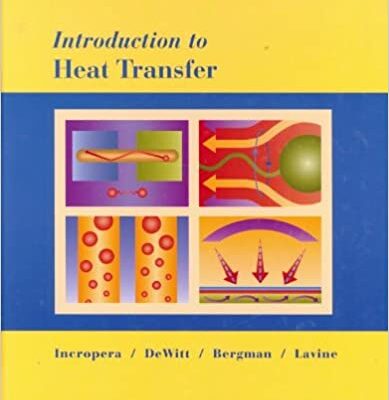
Introduction to Heat Transfer
5th Edition
by Frank P. Incropera (Author), David P. DeWitt (Author), Theodore L. Bergman (Author), Adrienne S. Lavine (Author) Noted for its readability, comprehensiveness and relevancy, the new fifth edition of this bestselling book provides readers with an accessible examination of the heat transfer field. They’ll gain a better understanding of the terminology and physical principles for any process or system involving heat transfer. And they’ll find out how to develop representative models of real processes and systems, and draw conclusions concerning process/systems design or performance from the attendant analysis.5th Edition
by Frank P. Incropera (Author), David P. DeWitt (Author), Theodore L. Bergman (Author), Adrienne S. Lavine (Author) Noted for its readability, comprehensiveness and relevancy, the new fifth edition of this bestselling book provides readers with an accessible examination of the heat transfer field. They’ll gain a better understanding of the terminology and physical principles for any process or system involving heat transfer. And they’ll find out how to develop representative models of real processes and systems, and draw conclusions concerning process/systems design or performance from the attendant analysis.
Introduction to Heat Transfer
1st Edition
by B Sunden (Author)
Presenting the basic mechanisms for transfer of heat, this book gives a deeper and more comprehensive view than existing titles on the subject. Derivation and presentation of analytical and empirical methods are provided for calculation of heat transfer rates and temperature fields as well as pressure drop. The book covers thermal conduction, forced and natural laminar and turbulent convective heat transfer, thermal radiation including participating media, condensation, evaporation and heat exchangers. The book can be used in R & D work and thermal engineering design in industry and by consultancy firms. It can also be used in both undergraduate and graduate courses in heat transfer and thermal engineering.
1st Edition
by B Sunden (Author)
Presenting the basic mechanisms for transfer of heat, this book gives a deeper and more comprehensive view than existing titles on the subject. Derivation and presentation of analytical and empirical methods are provided for calculation of heat transfer rates and temperature fields as well as pressure drop. The book covers thermal conduction, forced and natural laminar and turbulent convective heat transfer, thermal radiation including participating media, condensation, evaporation and heat exchangers. The book can be used in R & D work and thermal engineering design in industry and by consultancy firms. It can also be used in both undergraduate and graduate courses in heat transfer and thermal engineering.
Introduction to Wildland Fire
2nd Edition
by Stephen J. Pyne(Author), Patricia L. Andrews(Author), Richard D. Laven(Author)
Introduction to Wildland Fire, Second Edition provides a comprehensive resource for studying the fundamentals of fire behavior, its ecological effects, and its cultural and institutional framework. This new Second Edition expands and updates the coverage of the field and explores the subject of wildfire management in a broad scientific, technical, and social context. Written by recognized authorities on fire management, it presents the fundamental physics and chemistry of fire, fire behavior, wildland fuels, the interaction of fires and weather, the ecological effects of fires, the structure of fire management programs, planning efforts, suppression strategies, prescribed fires, and global fire management. The new edition also includes such current problems as the burning of the Amazon rain forest and the implications of the recent drought-related fires that have plagued urban areas bordering on wilderness land. Throughout the book the authors keep the subject of fire itself central. They begin by identifying, clarifying, and consolidating the basic concepts and literature of fire as a natural occurrence in the environment. General principles are illustrated with reference to specific events, and the natural incidence of fire is related to its cultural causes and effects. Introduction to Wildland Fire, Second Edition provides foresters, range scientists, environmentalists, ecologists, and administrators of federal and state agencies with an authoritative and comprehensive resource. Written by recognized authorities on fire management, Introduction to Wildland Fire, Second Edition offers thorough coverage of the complex subject of wildland fire and its management in a broad scientific, technical, and social context. Topics include: * The chemistry and physics of fire * Fire behavior, including the influences of fuel and weather * The ecological effects of fire * The cultural and institutional framework of fire management * Fire management and suppression * Prescribed fire * Global fire
2nd Edition
by Stephen J. Pyne(Author), Patricia L. Andrews(Author), Richard D. Laven(Author)
Introduction to Wildland Fire, Second Edition provides a comprehensive resource for studying the fundamentals of fire behavior, its ecological effects, and its cultural and institutional framework. This new Second Edition expands and updates the coverage of the field and explores the subject of wildfire management in a broad scientific, technical, and social context. Written by recognized authorities on fire management, it presents the fundamental physics and chemistry of fire, fire behavior, wildland fuels, the interaction of fires and weather, the ecological effects of fires, the structure of fire management programs, planning efforts, suppression strategies, prescribed fires, and global fire management. The new edition also includes such current problems as the burning of the Amazon rain forest and the implications of the recent drought-related fires that have plagued urban areas bordering on wilderness land. Throughout the book the authors keep the subject of fire itself central. They begin by identifying, clarifying, and consolidating the basic concepts and literature of fire as a natural occurrence in the environment. General principles are illustrated with reference to specific events, and the natural incidence of fire is related to its cultural causes and effects. Introduction to Wildland Fire, Second Edition provides foresters, range scientists, environmentalists, ecologists, and administrators of federal and state agencies with an authoritative and comprehensive resource. Written by recognized authorities on fire management, Introduction to Wildland Fire, Second Edition offers thorough coverage of the complex subject of wildland fire and its management in a broad scientific, technical, and social context. Topics include: * The chemistry and physics of fire * Fire behavior, including the influences of fuel and weather * The ecological effects of fire * The cultural and institutional framework of fire management * Fire management and suppression * Prescribed fire * Global fire

Introduction to Wildlife Management (McGraw-Hill series in forest resources)
by James H. Shaw(Author)
by James H. Shaw(Author)
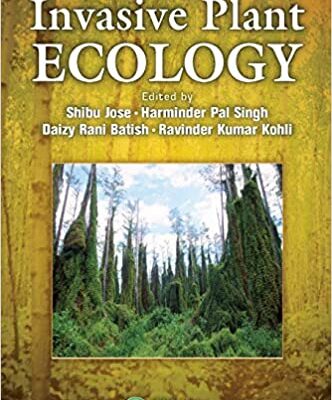
Invasive Plant Ecology
1st Edition
by Shibu Jose (Editor), Harminder Pal Singh (Editor), Daizy Rani Batish (Editor), Ravinder Kumar Kohli (Editor)
Invasion of non-native plant species, which has a significant impact on the earth’s ecosystems, has greatly increased in recent years due to expanding trade and transport among different countries. Understanding the ecological principles underlying the invasive process as well as the characteristics of the invasive plants is crucial for making good management decisions to address this problem. Invasive Plant Ecology includes chapters derived from presentations at conferences such as the World Congress of the International Union of Forestry Research Organizations (IUFRO), as well as contributions from invited renowned authors. The chapters include both original research and syntheses of current knowledge on specific topics. Actions essential for coordinated approaches to curtail plant invasion include increasing awareness of the ecological impacts of alien plants and employing novel control strategies. This book provides a foundation in invasion ecology by examining ecological theories and case studies that explain plant invasions, their impacts, management strategies, and the ecological economics. The chapters describe ecological characteristics, mutualistic associations, microbial communities, and disturbance regimes that affect the spread of invasive plants. The book also covers spatial analysis and predictive modeling of invasive plants. The final chapters offer guidelines for ecological management and restoration of invaded areas and describe the economics of the invasive plant issue. This collection contains case studies from around the world, giving readers a real view of the extent of the invasive species issue along with real-world strategies. With its focus on the ecological aspects of plant invasion, this book provides an important reference for students, scientists, professionals, and policy makers who are involved in the study and management of alien invasive plants and ecosystems.
1st Edition
by Shibu Jose (Editor), Harminder Pal Singh (Editor), Daizy Rani Batish (Editor), Ravinder Kumar Kohli (Editor)
Invasion of non-native plant species, which has a significant impact on the earth’s ecosystems, has greatly increased in recent years due to expanding trade and transport among different countries. Understanding the ecological principles underlying the invasive process as well as the characteristics of the invasive plants is crucial for making good management decisions to address this problem. Invasive Plant Ecology includes chapters derived from presentations at conferences such as the World Congress of the International Union of Forestry Research Organizations (IUFRO), as well as contributions from invited renowned authors. The chapters include both original research and syntheses of current knowledge on specific topics. Actions essential for coordinated approaches to curtail plant invasion include increasing awareness of the ecological impacts of alien plants and employing novel control strategies. This book provides a foundation in invasion ecology by examining ecological theories and case studies that explain plant invasions, their impacts, management strategies, and the ecological economics. The chapters describe ecological characteristics, mutualistic associations, microbial communities, and disturbance regimes that affect the spread of invasive plants. The book also covers spatial analysis and predictive modeling of invasive plants. The final chapters offer guidelines for ecological management and restoration of invaded areas and describe the economics of the invasive plant issue. This collection contains case studies from around the world, giving readers a real view of the extent of the invasive species issue along with real-world strategies. With its focus on the ecological aspects of plant invasion, this book provides an important reference for students, scientists, professionals, and policy makers who are involved in the study and management of alien invasive plants and ecosystems.

Invasive Plants of California's Wildlands (2000-08-07)
Paperback – January 1, 1796
Paperback – January 1, 1796
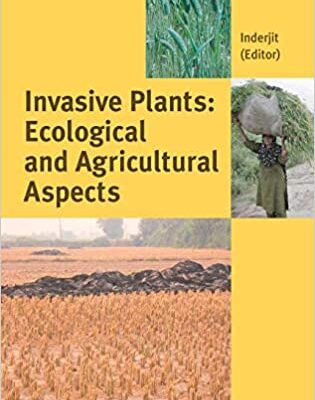
Invasive Plants: Ecological and Agricultural Aspects
2005th Edition
by S. Inderjit (Editor)
2005th Edition
by S. Inderjit (Editor)
Issues in Evaluating the Costs and Benefits of Fuel Treatments to Reduce Wildfire in the Nation's Forests (Classic Reprint)
Paperback – November 12, 2017
Paperback – November 12, 2017

John Blair and the Great Hinckley Fire
Hardcover – Bargain Price, September 26, 2000
by Joi Nobisso (Author), Ted Rose (Illustrator)
Hardcover – Bargain Price, September 26, 2000
by Joi Nobisso (Author), Ted Rose (Illustrator)
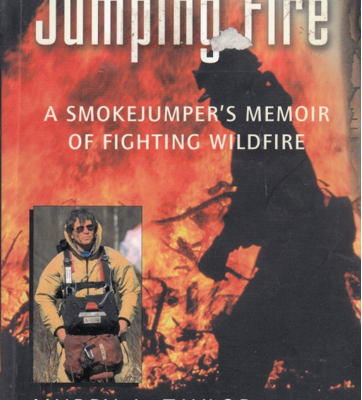
Jumping Fire
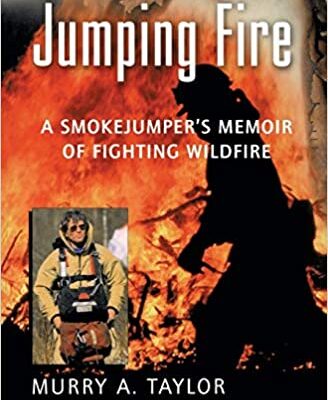
Jumping Fire: A Smokejumper's Memoir of Fighting Wildfire
Paperback – June 14, 2001
by Murry A. Taylor (Author)
During one incendiary summer, Murry Taylor kept an extensive journal of his day-to-day activities as an Alaskan smokejumper. It wasn't his first season fighting wildfires, and he's far from being a rookie—he's been on the job since 1965. Through this narrative of one busy season, Taylor reflects on the years of training, the harrowing adrenaline-fueled jumps, his brushes with death, the fires he conquered, and the ones that got away. It's a world full of bravado, one with epic battles of man versus nature, resulting in stories of death-defying defeats, serious injury, and occasionally tragedy. We witness Taylor's story; learn of the training, preparation, technology, and latest equipment used in fighting wildfires; and get to know his fellow smokejumpers in the ready room, on the tundra, and in the vast forests of one of the last great wilderness areas in the world. Often thrilling and informative and always entertaining, Taylor's memoir is one of the first autobiographical accounts of a legendary career.
Paperback – June 14, 2001
by Murry A. Taylor (Author)
During one incendiary summer, Murry Taylor kept an extensive journal of his day-to-day activities as an Alaskan smokejumper. It wasn't his first season fighting wildfires, and he's far from being a rookie—he's been on the job since 1965. Through this narrative of one busy season, Taylor reflects on the years of training, the harrowing adrenaline-fueled jumps, his brushes with death, the fires he conquered, and the ones that got away. It's a world full of bravado, one with epic battles of man versus nature, resulting in stories of death-defying defeats, serious injury, and occasionally tragedy. We witness Taylor's story; learn of the training, preparation, technology, and latest equipment used in fighting wildfires; and get to know his fellow smokejumpers in the ready room, on the tundra, and in the vast forests of one of the last great wilderness areas in the world. Often thrilling and informative and always entertaining, Taylor's memoir is one of the first autobiographical accounts of a legendary career.

Jumping Skyward
Paperback – July 1, 1995
by Stan Tate (Author)
Paperback – July 1, 1995
by Stan Tate (Author)

Kayapó Ethnoecology and Culture (Studies in Environmental Anthropology)
1st Edition
1st Edition