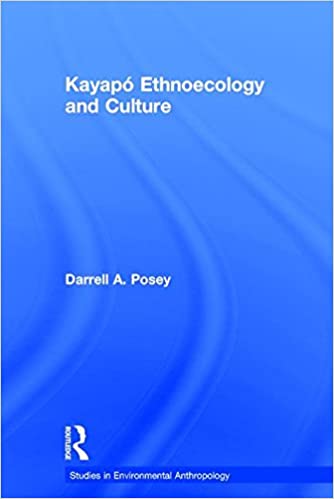
Product details
- Publisher : Routledge; 1st edition (May 31, 2002)
- Language : English
- Hardcover : 304 pages
- ISBN-10 : 0415277914
- ISBN-13 : 978-0415277914
- Item Weight : 1.3 pounds
- Dimensions : 6.5 x 1 x 9.5 inches
$144.52
1st Edition
Shipping rates are calculated based on local US cities; international rates may apply for other countries.
Paperback – October 8, 2013
by U.S. Department of Homeland Security (Author), Federal Emergency Management Agency (Author)
This report, America at Risk, builds on the meetings of America Burning, Recommissioned, and is based on statements, discussions and recommendations that were issued on May 3rd by the Commission as the “Principal Findings and Recommendations”. One hundred years ago, American cities faced a devastating challenge from the threat of urban fires. Whole cities had become the victims of these events. Entire neighborhoods lived with the very real threat that an ignited fire would take everything, including their lives. Today, the threat of fires is still with us. But we have done a lot to address the risk, minimize the incidence and severity of losses, and prevent fires from spreading. Our states and localities have an improving system of codes and standards; most of us are aware of the risks; our communities have everyday heroes who provide the first response to emergency calls; some of our homes and buildings have alarms or sprinkler systems; and our water distribution system for fire suppression stretches further than many imagined in 1900. We have accomplished a lot, but we have much more to do. Our community fire departments and firefighters are at the vanguard of the long-term effort to address our fire risks. Not only are they the first responders to fire and other natural and man-made disasters, but also they have been strong advocates of effective codes and standards; they visited our schools and neighborhoods with educational material on fire risks, and they have put their lives on the line countless times. They will continue to do so. There is ample proof that the word hero is a correct attribute of our Nation’s firefighters. As this report very clearly indicates, the success of America’s fire services over the past 100 years is instructive for the strength and sustainability of America’s communities for the next 100 years as well. Today, we must not only continue and reinvigorate our successes, but also expand them to include the natural and man-made threats that each of our counties, cities, towns and villages face every day – floods, earthquakes, hurricanes, hazardous material spills, highway accidents, acts of terrorism, and so much more. As the Federal Emergency Management Agency’s Project Impact: Building Disaster Resistant Communities has shown, community-based partnerships among local government, public safety services, businesses and residents will provide us the best set of priorities and implementation strategies, as well as the longest lasting commitments with respect to disaster prevention. That is why FEMA and national fire service organizations have formed a Project Impact partnership to support communities’ efforts to become disaster resistant. Project Impact depends on our first responders, our neighborhood fire departments, and without them, our communities would all be more vulnerable to disaster losses.
Hardcover – October 1, 2002
by Keith Keller (Author)
These spine-tingling accounts of nature's awesome destructive powers take readers behind the fire lines of BC's most fabled blazes. Keith Keller vividly chronicles the advent of firefighting innovations from bulldozers to airborne Rapattack crews - and nature's persistent indifference to that arsenal.
Wildfire Wars also reveals how firefighting brings out the best and worst in the rough-and-ready lot who tackle this job. Keller tells of political infighting and clashing egos among Forest Ministry brass, and of booze, drugs and arson on the fireline. But he also finds heroes at every link in the chain of command, from fire bosses who must make quick life-and-death decisions on little more than instinct to ordinary firefighters who risk their lives to save lumber, livestock and each other. Some are larger-than-life characters, such as Percy Minnabarriett, a Native crew foreman and rodeo rider in the Ashcroft fire district whose leg was crushed by a bulldozer. "They'd managed to keep him in hospital at Kamloops for a year or so, but after he got out he repeatedly frustrated his doctor by cutting his hip-length cast to below the knee so he could get back to riding horses. Finally the doctor sealed him in steel rods, but they only lasted until Minnabarriet had [his wife] Marie pick him up a new blade for his hacksaw."Hardcover – August 17, 2021
by Lizzie Johnson (Author)
Pre-order Price Guarantee.Hardcover – January 1, 2003
by J. Randall Ismay (Author)
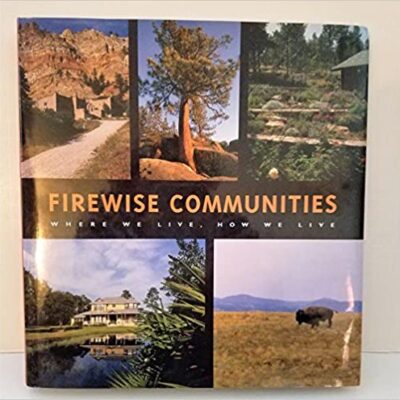
Book about neighborhoods who work together to reduce their wildfire risks
Paperback – June 1, 2010
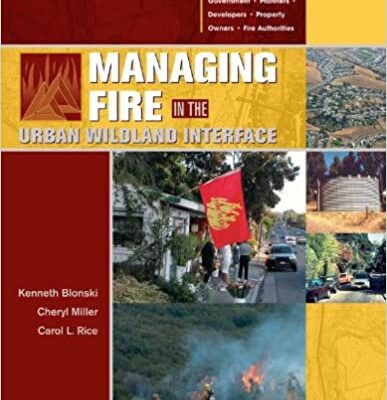
by Kenneth Blonski (Author), Cheryl Miller (Author), Carol L. Rice (Author)
A unique guide to solutions and strategies for managing fire at the urban edge. Offers analytical tools and comprehensive summaries not found in other manuals dealing with fire mitigation. Designed as a reference, Managing Fire in the Urban Wildland Interface provides information on codes and laws and includes case studies, tables, figures, suggested websites, and other source material. Draws on best practices from California, with lessons applicable nationwide.
Equally useful to state, federal and local agency staff and officials, fire agency staff, attorneys, architects, landscape architects, property owners, developers, insurance company managers, and business and community leaders. Topics include: Key federal, state, and local provisions for managing urban wildland interface fires; Completing a fire threat assessment and developing a plan; Implementing the best solutions for your community; Community awareness and ignition prevention; Design solutions for new and existing residential development, roads, utilities, structural design and materials, and landscaping; Emergency service response; Critical challenges, including environmental challenges, vested interests, human behavior, and funding; Managing Fire in the Urban Wildland Interface has been recognized by the major planning associations in California, as winner of the 2011 Education Award from the APA (American Planning Association)-California Northern Section and 2011 Outstanding Environmental Resource Document Award from the 2011 California Chapter of AEP (Association of Environmental Professionals).1st ed. 2020 Edition
by Samuel L. Manzello (Editor)
This reference work encompasses the current, accepted state of the art in the science of wildfires and wildfires that spread to communities, known as wildland-urban interface (WUI) fires. 171 author contributions include accepted knowledge on these topics from throughout the world, all written by the leading researchers, experts, practitioners, and academics. This encyclopedia is an invaluable reference for newcomers to the field, as well as researchers, students, developers, and professionals who are interested in exploring this dynamic area. General Sections include: Combustion Coordination System Locations Fire Whirls Firebrands and Embers Incident Management Team (IMT) Support Locations Incident Response Support Locations On-the-Incident Locations Soot and Effects on Wildland/WUI Fire Behavior Weathering Effects on Fire Retardant Wood Treatments Wildland Firefighting Locations Wildland Fuel Treatments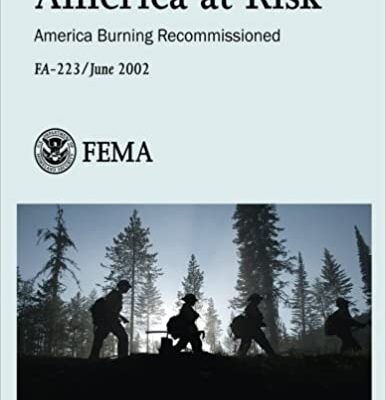


There are no reviews yet.